

Period Tracking Apps Face New Questions Over Health Accuracy and Privacy
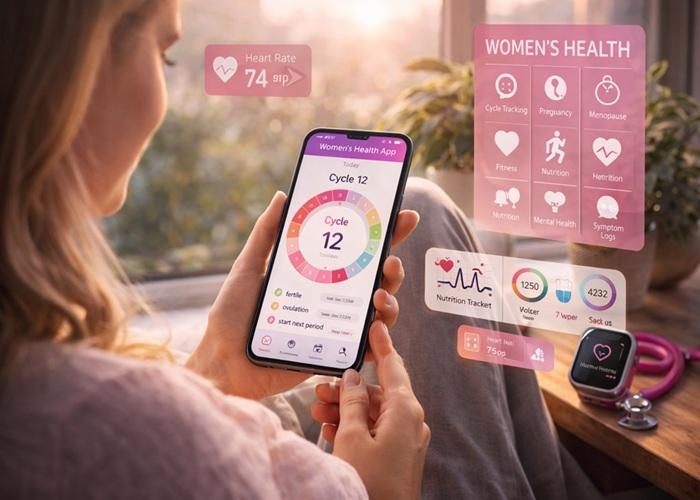
Period tracking apps have become an increasingly popular way for people to monitor their menstrual cycles, symptoms, fertile days, and other aspects of reproductive health. As digital health technology continues to grow, experts are also raising important questions about the accuracy of cycle predictions and the privacy of sensitive menstrual health information.
Why Period Tracking Accuracy Matters
Many period tracking apps use information such as previous period dates, cycle length, symptoms, and other user-provided data to estimate when the next period or fertile window may occur. These predictions can be useful for understanding personal cycle patterns, but they are estimates and may not always accurately reflect changes in an individual's menstrual cycle.
Factors such as stress, illness, sleep changes, travel, lifestyle changes, and hormonal fluctuations can affect menstrual cycles. Because of this, users should understand that an app's prediction should not automatically be considered a medical diagnosis or a guaranteed indication of ovulation or fertility.
Growing Focus on Menstrual Health Data Privacy
Privacy is another important issue surrounding period tracking technology. Menstrual health information can reveal highly personal details about a person's reproductive health. As more people use digital health platforms, questions about how this information is collected, stored, shared, and protected have become increasingly important.
Experts have encouraged users to understand an app's privacy policy and learn what information the service collects before entering sensitive health data. Transparent data practices can help users make more informed decisions when choosing a period tracking platform.
How Period Trackers Can Still Be Useful
Despite these concerns, tracking menstrual cycles can be a helpful way to recognize personal patterns. Recording period dates, symptoms, cycle length, and other changes may help users better understand their own menstrual health over time.
For people who experience significant or unusual changes in their menstrual cycle, however, information from a tracking app should not replace professional medical advice. A healthcare professional can provide a more complete assessment when symptoms or cycle changes require attention.
The Future of Digital Menstrual Health
As period tracking technology develops, accuracy, transparency, and privacy are likely to remain important considerations. Better technology could make cycle tracking more personalized while giving users greater control over their health information.
For users, the best approach is to treat period tracking as a tool for understanding personal patterns rather than as a replacement for professional medical advice. Choosing a tracker with clear privacy practices and realistic explanations of its predictions can also help users make better-informed decisions.
Disclaimer: This article is for informational purposes only and should not be considered medical advice. If you have concerns about your menstrual cycle, symptoms, fertility, or reproductive health, consult a qualified healthcare professional.