
How long does birth control stay in your system?
Curious how quickly hormones leave your body and when natural fertility returns after stopping the pill, IUD, or injections? Here are realistic timelines.
Updated 8 March 2026•Period Tracker Wellness Guide•5 min read
Key Takeaways at a Glance
Curious how quickly hormones leave your body and when natural fertility returns after stopping the pill, IUD, or injections? Here are realistic timelines.
Oral Contraceptive Pills (Combined & Progestin-Only)
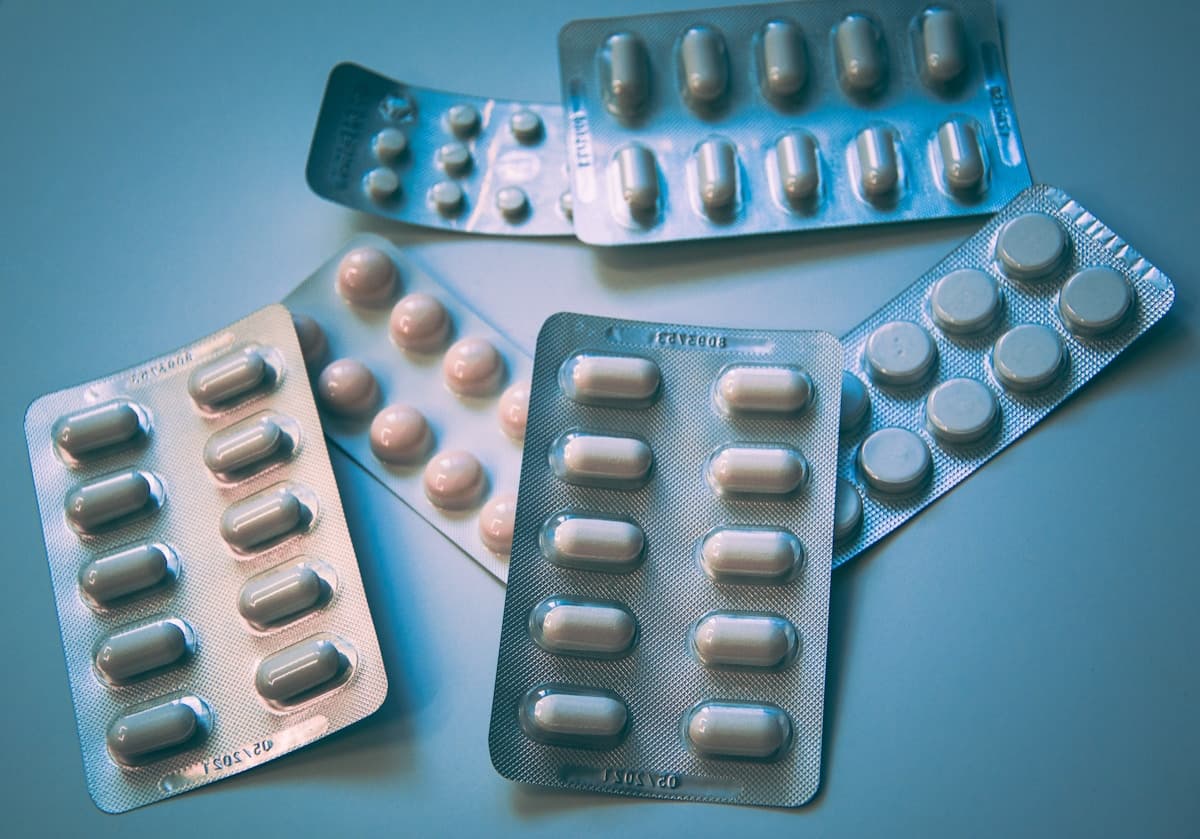
Synthetic estrogen and progestin from daily birth control pills have remarkably short elimination half-lives. Synthetic hormones clear your bloodstream within 48 to 72 hours after swallowing your final tablet. While synthetic hormones vanish rapidly, your hypothalamic-pituitary-ovarian (HPO) axis may require between 1 and 3 cycles to resume natural gonadotropin-releasing hormone pulses.
Key Checklist & Essential Facts
- Circulating synthetic hormones clear blood in 2 to 3 days
- 50% of women resume regular ovulatory cycles within 30 to 45 days
- Post-pill amenorrhea lasting over 3 months warrants medical evaluation for underlying PCOS
Intrauterine Devices (Hormonal & Non-Hormonal Copper)
Because copper IUDs release zero hormones, fertility is instant upon removal by a clinician. Hormonal IUDs (such as levonorgestrel-releasing systems) work primarily through local thickening of cervical mucus and uterine lining thinning. Upon removal, local endometrial tissue regenerates rapidly, and natural ovulation often occurs within the very next monthly cycle.
Key Checklist & Essential Facts
- Copper IUD: Immediate fertility return
- Hormonal IUD: Ovulation typically resumes within 2 to 4 weeks
- Pregnancy is possible before your first post-removal period occurs
Hormonal Injections (Depo-Provera)
Unlike pills or rings, medroxyprogesterone acetate injections deposit in subcutaneous and muscular tissues, releasing hormones continuously. Consequently, Depo-Provera has the longest clearance timeline of all reversible contraceptives. Full resumption of ovulatory rhythm can take anywhere from 6 to 12 months after your last scheduled injection dose.
Key Checklist & Essential Facts
- Average time to resume regular ovulation: 9 to 10 months
- Weight, metabolism, and duration of use influence clearance rate
- Not recommended for women planning to conceive within the next 12 months
Supporting Your Body During the Post-Birth-Control Transition
After discontinuing hormonal contraception, many women experience mild transient skin breakouts, temporary hair shedding, or mood fluctuations as endogenous estrogen and progesterone rebalance. Nourish your liver with cruciferous vegetables, supplement with B-complex vitamins, and log your basal body temperature daily to observe your body's return to natural rhythm.
Key Checklist & Essential Facts
- Replenish zinc, magnesium, and vitamin B6 depleted by synthetic hormones
- Eat fiber-rich foods to assist the liver in clearing metabolised estrogens
- Use a cycle tracker to identify when your natural luteal phase lengthens to 11-14 days
Frequently Asked Questions
Clear, doctor-reviewed answers to common questions
Can I get pregnant immediately after stopping the pill?+
Yes! Many women ovulate within two weeks of stopping oral contraceptives. If you do not wish to become pregnant, begin using barrier protection immediately on Day 1 of stopping.
Why is my first post-pill period so light or delayed?+
Withdrawal bleeds during pill use were chemically induced. Your first natural period requires your ovaries to produce enough estradiol to build an endometrial lining, which takes time to synchronize.
Educational & Wellness Disclaimer
The health guides, cycle timelines, natural remedies, and symptom insights published on Period Tracker & Ovulation are strictly for general educational, self-tracking, and informational purposes. They are not a substitute for clinical advice, formal medical diagnosis, or personalized treatment plans. If you have severe pelvic discomfort, irregular bleeding, or questions about pregnancy, always consult with a licensed physician or gynecologist.
Tags:#Birth Control#Hormones#Ovulation#Pill Clearance#Post-Pill Cycle
Recommended Health Guides
Continue reading certified guides in Your cycle.