
The Gut-Hormone Connection: Why Your Digestion Goes Wild on Your Period
Understand 'period poops', prostaglandins, and the estrobolome. Discover how the bacteria in your digestive tract directly regulate estrogen levels and menstrual cramping.
Updated 14 March 2026•Period Tracker Wellness Guide•6 min read
Key Takeaways at a Glance
Understand 'period poops', prostaglandins, and the estrobolome. Discover how the bacteria in your digestive tract directly regulate estrogen levels and menstrual cramping.
Why 'Period Poops' Happen: The Science of Prostaglandins
Just before your menstrual flow begins, the endometrium produces hormone-like lipid compounds called prostaglandins. Their primary job is to stimulate smooth muscle contractions in the uterus to expel the lining. However, excess prostaglandins leak into surrounding pelvic tissues and bind to the smooth muscles of the digestive tract, accelerating bowel motility and causing loose stools or sudden cramping.
Key Checklist & Essential Facts
- Prostaglandin spillover: Causes simultaneous uterine and intestinal smooth muscle contractions
- Luteal progesterone drop: High progesterone slows digestion causing constipation; its sudden drop releases bowel movement
- Pelvic nerve cross-talk: Shared nerve pathways amplify both bowel sensitivity and menstrual cramps
- Anti-inflammatory foods: Omega-3 fatty acids directly suppress excessive prostaglandin synthesis
The Estrobolome: How Gut Bacteria Regulate Circulating Estrogen
The estrobolome is a specialized collection of bacteria within your gut microbiome capable of metabolizing and modulating the body's circulating estrogen. After your liver neutralizes estrogen, it sends it into the intestine for elimination. If gut dysbiosis is present, bacteria producing high levels of beta-glucuronidase deconjugate the estrogen, allowing it to reabsorb into your bloodstream and cause estrogen dominance.
Key Checklist & Essential Facts
- Beta-glucuronidase enzyme: Uncouples bound estrogen, allowing harmful recirculation
- Signs of estrogen recirculation: Fibrocystic breast pain, heavy periods, and severe PMS
- Calcium D-glucarate: Naturally inhibits beta-glucuronidase and promotes clean estrogen excretion
- Cruciferous vegetables: Broccoli sprouts, kale, and cauliflower contain indole-3-carbinol to protect liver pathways
5 Dietary Tweaks to Soothe Your Gut Throughout Your Cycle
Nourishing your estrobolome with targeted prebiotic fibers and soothing herbs significantly reduces premenstrual digestive distress.
Key Checklist & Essential Facts
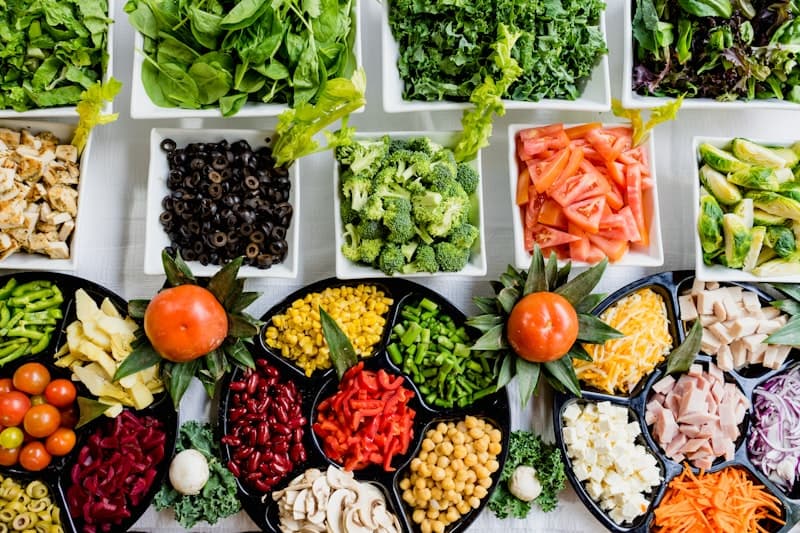
- Fermented foods: Incorporate kimchi, sauerkraut, and kefir to maintain microbiome diversity
- Warm cooked meals: Choose broths, steamed vegetables, and stewed lentils during your menstrual phase for easier digestion
- Peppermint & ginger infusion: Natural antispasmodics that calm intestinal smooth muscle contractions
- Hydration with electrolytes: Replenishes essential potassium and sodium lost through loose menstrual bowel movements
Frequently Asked Questions
Clear, doctor-reviewed answers to common questions
Why am I constipated a week before my period, but have diarrhea during it?+
Progesterone peaks during the luteal phase, acting as a natural muscle relaxant that slows gastrointestinal transit. When progesterone plummets right before bleeding and prostaglandins spike, bowel motility speeds up sharply.
Can probiotics reduce period cramps?+
Yes. Studies show that probiotic strains like Lactobacillus plantarum reduce systemic inflammation and decrease prostaglandin production, leading to milder menstrual pain.
Is bloating right before my period normal?+
Mild water and gas retention is very common due to hormonal shifts. However, severe bloating accompanied by sharp pain could indicate food intolerances or pelvic conditions like endometriosis.
Educational & Wellness Disclaimer
The health guides, cycle timelines, natural remedies, and symptom insights published on Period Tracker & Ovulation are strictly for general educational, self-tracking, and informational purposes. They are not a substitute for clinical advice, formal medical diagnosis, or personalized treatment plans. If you have severe pelvic discomfort, irregular bleeding, or questions about pregnancy, always consult with a licensed physician or gynecologist.
Tags:#Gut Health#Prostaglandins#Estrobolome#Period Digestion#Bloating
Recommended Health Guides
Continue reading certified guides in Health 360°.