
Natural Ways to Boost Ovulation & Improve Egg Quality for Conception
It takes 90 to 120 days for an immature follicle to develop into an ovulated egg. Discover evidence-based nutrition and cellular strategies to optimize egg quality.
Updated 4 March 2026•Period Tracker Wellness Guide•6 min read
Key Takeaways at a Glance
It takes 90 to 120 days for an immature follicle to develop into an ovulated egg. Discover evidence-based nutrition and cellular strategies to optimize egg quality.
The Critical 90-Day Pre-Conception Window
Many women assume egg quality is predetermined, but scientific reproductive biology reveals that the follicular maturation process takes roughly 90 to 120 days before ovulation occurs. During this extended maturation phase, the developing oocyte is highly vulnerable to oxidative stress and deeply responsive to cellular nutrients, blood flow, and mitochondrial energy.
Key Checklist & Essential Facts
- Follicles recruit 3 to 4 months prior to the ovulation event
- Oocytes contain the highest concentration of mitochondria of any human cell (up to 200,000 per egg)
- Cellular lifestyle interventions today influence the egg you will ovulate 3 months from now
Mitochondrial Energy & Cellular Antioxidants
Chromosomal segregation during fertilization requires immense cellular energy (ATP). As women age, cellular CoQ10 levels decline, leading to mitochondrial fatigue and higher aneuploidy rates. Targeted antioxidants protect ovarian micro-environments from lipid peroxidation.
Key Checklist & Essential Facts
- Coenzyme Q10 (Ubiquinol): Restores oocyte mitochondrial bioenergetics and chromosomal spindle fidelity
- Alpha Lipoic Acid & N-Acetyl Cysteine (NAC): Boosts intracellular glutathione and cleanses cellular debris
- Vitamin D3: Receptors are located directly on ovarian granulosa cells and endometrium
Fertility-Dense Nutrition Protocol
The landmark Harvard Nurses' Health Study demonstrated that women adhering to a fertility-optimized dietary pattern had a 66% lower risk of ovulatory infertility.
Key Checklist & Essential Facts
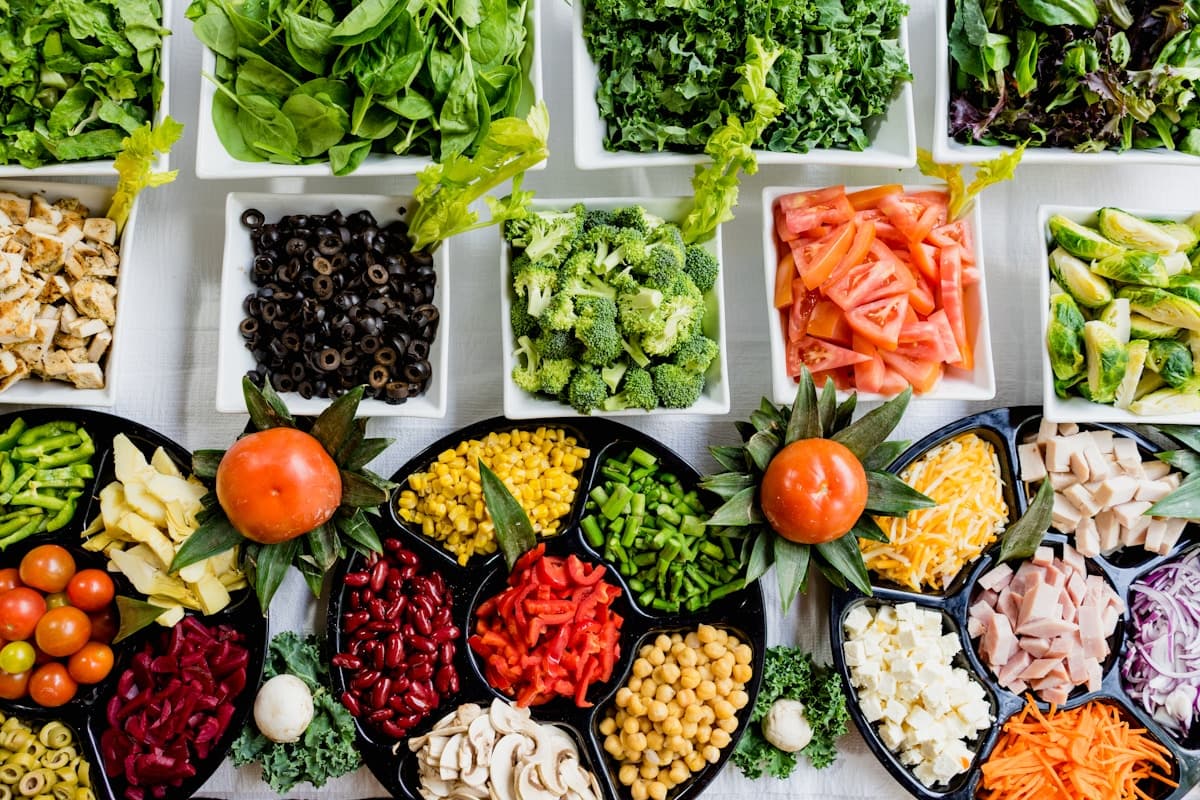
- Swap refined trans-fats for monounsaturated fatty acids (extra virgin olive oil, avocados)
- Choose plant protein sources (lentils, chickpeas, nuts) in place of processed meats
- Incorporate full-fat dairy products (organic yogurt, grass-fed butter) which support ovulatory regularity
- Abundant folate (dark leafy greens, broccoli, pastured egg yolks) to support DNA methylation
Lifestyle Factors: Stress, Sleep & Pelvic Blood Flow
Chronic cortisol elevation down-regulates hypothalamic GnRH secretion, impairing follicle selection. Simple daily habits improve ovarian micro-vascularization and hormone receptor sensitivity.
Key Checklist & Essential Facts
- Prioritize 7.5 to 8.5 hours of uninterrupted sleep in a completely dark room to maximize nightly melatonin
- Melatonin is a potent direct ovarian antioxidant concentrated inside healthy follicular fluid
- Acupuncture and gentle pelvic yoga stimulate femoral and ovarian artery perfusion
- Minimize endocrine-disrupting chemicals (BPA, phthalates) by switching to glass food containers
Frequently Asked Questions
Clear, doctor-reviewed answers to common questions
Can I really improve egg quality if I am over 35?+
Yes! While you cannot increase your total ovarian reserve (egg count), you can significantly improve the mitochondrial energy and cellular integrity of the eggs you do ovulate through 90 days of antioxidant prep.
How long does it take for fertility supplements like CoQ10 to work?+
Because of the 90-day follicular recruitment cycle, consistent supplementation for at least 3 full months is recommended before expecting optimal reproductive results.
Educational & Wellness Disclaimer
The health guides, cycle timelines, natural remedies, and symptom insights published on Period Tracker & Ovulation are strictly for general educational, self-tracking, and informational purposes. They are not a substitute for clinical advice, formal medical diagnosis, or personalized treatment plans. If you have severe pelvic discomfort, irregular bleeding, or questions about pregnancy, always consult with a licensed physician or gynecologist.
Tags:#Egg Quality#Ovulation#Fertility Nutrition#CoQ10#Conception Prep
Recommended Health Guides
Continue reading certified guides in Getting pregnant.