

Period Pain: Causes, Relief Tips and When to See a Doctor
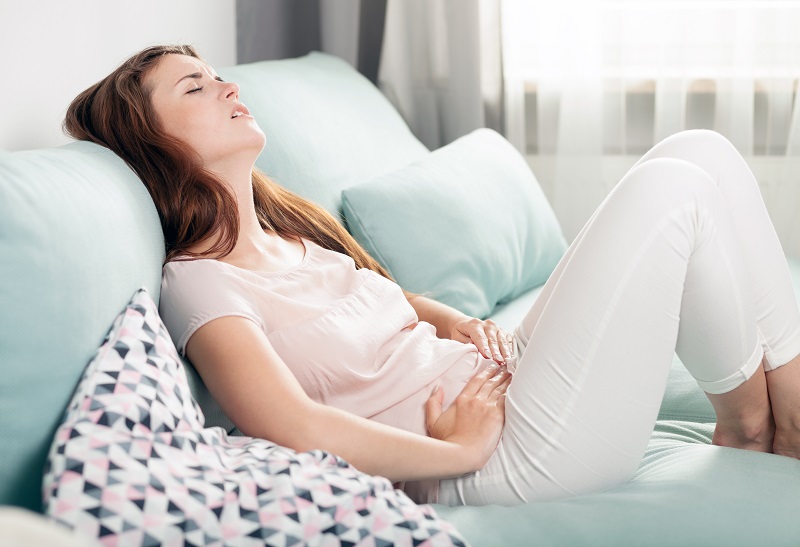
Period pain, also known as menstrual cramps, is a common experience before or during menstruation. The discomfort may feel like cramping in the lower abdomen and can sometimes spread to the lower back or thighs. For some people, the pain is mild, while others may find it affects their daily activities.
What Causes Period Pain?
Period pain often occurs when the uterus contracts to shed its lining during menstruation. Natural chemicals called prostaglandins contribute to these contractions and can make cramps more intense.
In some cases, painful periods may be associated with conditions such as endometriosis, adenomyosis, uterine fibroids, or pelvic inflammatory disease. Persistent or worsening pain should be discussed with a healthcare professional.
Common Symptoms of Menstrual Cramps
Period pain can vary from person to person. Common symptoms may include:
- Cramping or aching in the lower abdomen
- Pain that spreads to the lower back or thighs
- Nausea or digestive discomfort
- Headaches or tiredness
- Pain that makes everyday activities more difficult
How to Relieve Period Pain Naturally
Some simple self-care measures may help ease menstrual discomfort. The most suitable approach depends on your symptoms and overall health.
- Apply gentle heat: Use a heating pad or a hot-water bottle wrapped in a towel on your lower abdomen.
- Try gentle movement: Walking, stretching, yoga, or swimming may help some people feel more comfortable.
- Take a warm bath: Warm water may help relax the body and ease cramps.
- Get enough rest: Good sleep and time to relax can help you cope with discomfort.
- Discuss pain relief options: A pharmacist or healthcare professional can advise whether an appropriate pain reliever is safe for you.
When Should You See a Doctor?
Although mild cramps are common, severe or unusual period pain deserves attention. Speak with a healthcare professional if your pain becomes progressively worse, interferes with everyday activities, does not improve with usual self-care, or occurs alongside heavier or irregular periods, bleeding between periods, or pain during sex.
Seek urgent medical care for severe or sudden pelvic pain, particularly if you may be pregnant or have faintness, dizziness, or heavy bleeding.
Why Tracking Period Pain Can Help
Recording symptoms in a period tracker can help you understand how discomfort changes throughout your menstrual cycle. Consider noting when the pain starts, how long it lasts, its severity, bleeding patterns, and any other symptoms.
Over time, these records may help you recognize patterns and provide useful information during a medical appointment. A tracking app cannot diagnose the cause of period pain, so persistent or concerning symptoms should be assessed by a qualified healthcare professional.
Final Thoughts
Period pain is common, and simple measures such as gentle heat, movement, and rest may help relieve discomfort. However, severe, persistent, or worsening cramps should not be dismissed as a normal part of menstruation.
By tracking your cycle and symptoms with TrackPeriods, you can build a clearer picture of your menstrual patterns and have more useful information available when discussing concerns with a healthcare professional.
Medical Disclaimer: This article is for general informational purposes only and is not a substitute for professional medical advice, diagnosis, or treatment. Consult a qualified healthcare professional for personal medical concerns.
Recent Updates
View all
Can Poor Sleep Affect Your Menstrual Cycle? What Women Should Know
Sleep and menstrual health may be more closely connected than many people realize. Understanding sleep patterns alongside period dates, energy levels, and symptoms may help you recognize changes in your cycle. Discover what research suggests about sleep and menstrual health, plus practical habits that may support better rest.

Endometriosis Diagnosis in 2026: Could New Saliva Tests Help Detect the Condition Earlier?
New developments in endometriosis testing are creating interest in earlier diagnosis of this often-overlooked condition. In September 2026, updated draft guidance from the UK's NICE recommended a saliva-based test in primary care when endometriosis is suspected. Learn what this development means, how endometriosis affects reproductive health, and why medical evaluation remains important.

Premenstrual Syndrome (PMS): Symptoms, Causes and Ways to Manage It
Premenstrual syndrome (PMS) can cause mood swings, bloating, tiredness, food cravings, headaches, and breast tenderness before a period. Learn about common PMS symptoms, practical management tips, and when to seek medical advice.