

Premenstrual Syndrome (PMS): Symptoms, Causes and Ways to Manage It
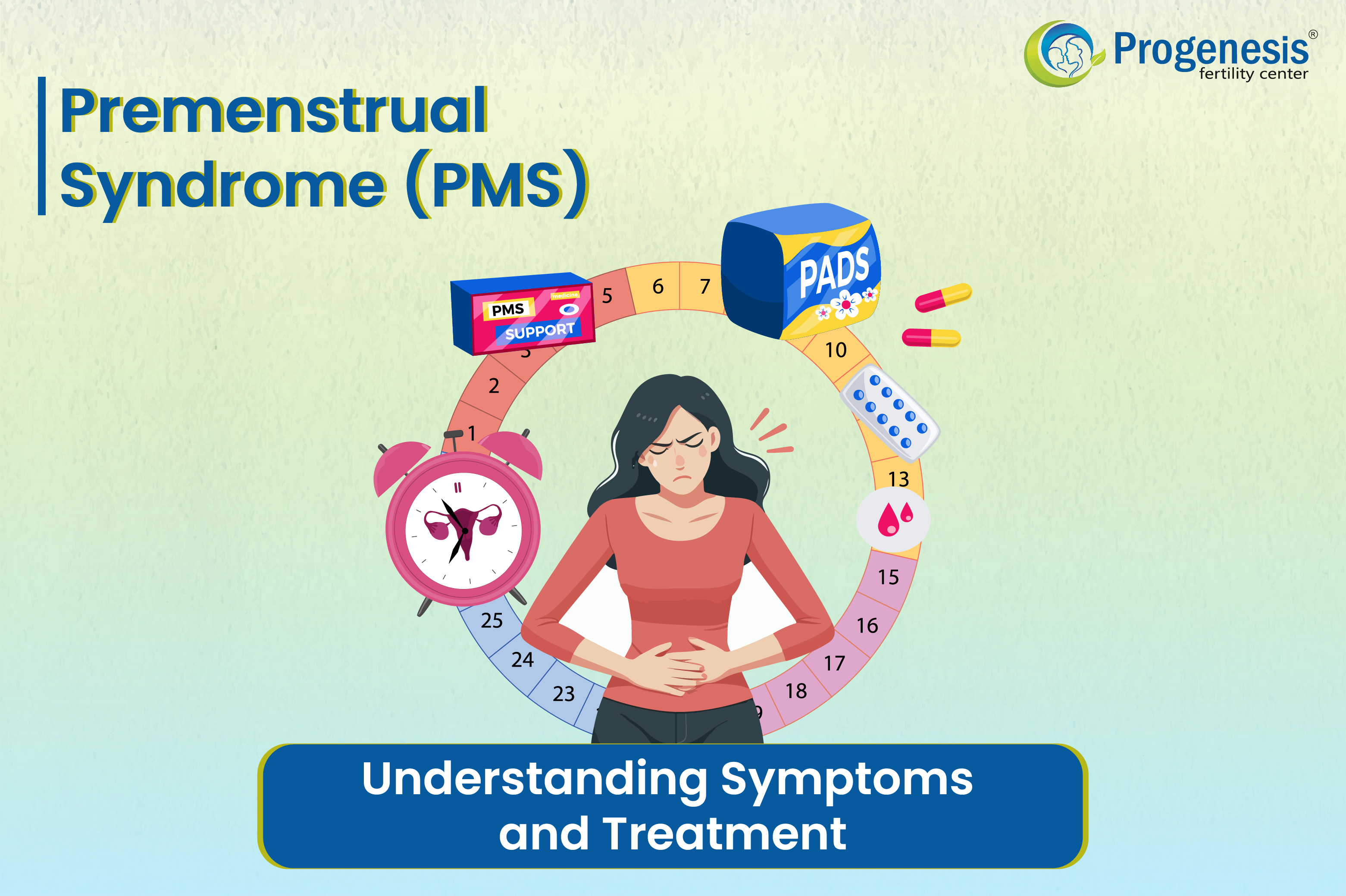
Premenstrual syndrome (PMS) refers to a combination of physical and emotional symptoms that some people experience in the days or weeks leading up to their menstrual period. Symptoms can vary from month to month and may range from mild discomfort to changes that affect everyday life.
What Is Premenstrual Syndrome (PMS)?
PMS describes symptoms that occur before menstruation and usually improve after the period begins. Although the exact cause is not fully understood, changes in hormone levels during the menstrual cycle may contribute to symptoms in some people.
Common Symptoms of PMS
PMS can affect both physical health and emotional well-being. Common symptoms include:
- Mood swings, irritability, or feeling more emotional
- Bloating and abdominal discomfort
- Breast tenderness
- Headaches and body aches
- Tiredness or difficulty sleeping
- Changes in appetite and food cravings
- Anxiety, low mood, or difficulty concentrating
Not everyone experiences the same symptoms, and their severity may differ between cycles.
What Causes PMS?
The exact cause of PMS is not completely understood. Natural hormonal changes throughout the menstrual cycle may play a role, and some people may be more sensitive to these changes than others. Stress, sleep difficulties, and other health conditions can also affect how symptoms feel and how they impact daily life.
How to Manage PMS Symptoms
Several lifestyle approaches may help some people manage mild PMS symptoms:
- Exercise regularly: Activities such as walking, cycling, or swimming may support physical and emotional well-being.
- Get enough sleep: Maintaining a consistent sleep routine may help with tiredness and mood changes.
- Eat balanced meals: A varied diet and regular meals may help manage hunger and food cravings.
- Manage stress: Relaxation techniques, meditation, breathing exercises, or yoga may be helpful.
- Track your symptoms: Recording changes throughout the menstrual cycle can help identify recurring patterns.
If symptoms are difficult to manage, a healthcare professional can discuss suitable treatment options. Check with a clinician or pharmacist before regularly using supplements or medicines.
When Should You Seek Medical Advice?
Consider speaking with a healthcare professional if PMS symptoms repeatedly interfere with work, school, relationships, sleep, or everyday activities, or if lifestyle changes have not helped.
Severe emotional symptoms, including intense depression, anxiety, or mood changes, deserve attention. A more severe condition called premenstrual dysphoric disorder (PMDD) can cause significant emotional and physical symptoms before menstruation and may require professional treatment.
Why Tracking PMS Symptoms Can Help
Keeping a daily record of your symptoms and period dates for at least two menstrual cycles can help you understand when symptoms appear and whether they improve after menstruation begins. You may record mood changes, energy levels, headaches, bloating, cravings, sleep, and the first day of your period.
A period tracker such as TrackPeriods can help organize these observations. Sharing the record with a healthcare professional may make it easier to discuss recurring symptoms and possible treatment options.
Final Thoughts
PMS is common, but its symptoms and impact vary from person to person. Healthy routines and symptom tracking may help you understand your cycle, while persistent or severe symptoms may benefit from professional assessment.
Understanding your personal menstrual patterns is an important step toward making informed decisions about your health.
Medical Disclaimer: This article is for educational purposes only and is not a substitute for professional medical advice, diagnosis, or treatment. Seek help from a qualified healthcare professional for persistent or concerning symptoms.
Recent Updates
View all
Can Poor Sleep Affect Your Menstrual Cycle? What Women Should Know
Sleep and menstrual health may be more closely connected than many people realize. Understanding sleep patterns alongside period dates, energy levels, and symptoms may help you recognize changes in your cycle. Discover what research suggests about sleep and menstrual health, plus practical habits that may support better rest.

Endometriosis Diagnosis in 2026: Could New Saliva Tests Help Detect the Condition Earlier?
New developments in endometriosis testing are creating interest in earlier diagnosis of this often-overlooked condition. In September 2026, updated draft guidance from the UK's NICE recommended a saliva-based test in primary care when endometriosis is suspected. Learn what this development means, how endometriosis affects reproductive health, and why medical evaluation remains important.

Period Pain: Causes, Relief Tips and When to See a Doctor
Period pain is common, but severe menstrual cramps should not be ignored. Learn about common causes of period pain, practical ways to ease discomfort, and warning signs that may require medical attention.