

Endometriosis Diagnosis in 2026: Could New Saliva Tests Help Detect the Condition Earlier?

Endometriosis is a chronic condition that can affect reproductive health and quality of life. It occurs when tissue similar to the lining of the uterus grows outside the uterus, potentially causing inflammation, pelvic pain, and other symptoms. Despite its impact, the condition can be difficult to identify, and many people experience delays before receiving a diagnosis.
New Developments in Endometriosis Testing
In September 2026, the BMJ reported that the UK's National Institute for Health and Care Excellence (NICE) recommended a saliva-based diagnostic test, called Endotest, in its updated draft guidance for primary care when endometriosis is suspected. The development is part of ongoing efforts to improve recognition and diagnosis of the condition.
The recommendation relates to UK draft guidance and should not be interpreted as meaning that the test is routinely available or recommended in every country. Availability and clinical use depend on local guidance and healthcare systems.
What Is Endometriosis?
Endometriosis is a long-term condition in which tissue similar to the lining of the uterus grows elsewhere in the body, commonly within the pelvis. It can cause inflammation and scar tissue and may affect daily activities, emotional well-being, and fertility.
The World Health Organization estimates that endometriosis affects approximately 10% of reproductive-age women and girls worldwide. The condition can also affect transgender men and non-binary people who menstruate.
Common Signs and Symptoms
Symptoms vary from person to person. Some people experience significant symptoms, while others may have few or none. Possible symptoms include:
- Severe or persistent pelvic pain
- Painful menstruation that interferes with everyday activities
- Pain during or after sexual intercourse
- Pain during bowel movements or urination, particularly around menstruation
- Heavy menstrual bleeding or bleeding between periods
- Fatigue, bloating, nausea, or digestive discomfort
- Difficulty becoming pregnant for some individuals
How Can Saliva Testing Help?
Saliva-based testing is being explored as a less invasive way to help identify endometriosis. Endotest is designed to analyze biological markers in saliva that may be associated with the condition.
However, a new diagnostic test is not a guarantee of a diagnosis, and recommendations can change as more evidence becomes available. People with symptoms should consult a qualified healthcare professional rather than relying on a self-test or online information alone.
Why Early Assessment Matters
Recognizing symptoms and seeking medical advice can help people access appropriate assessment and symptom management. Depending on the individual situation, clinicians may review medical history, examine symptoms, and use ultrasound or other imaging. Further investigations may sometimes be needed.
People do not need to assume that severe pain is simply a normal part of menstruation. Persistent or worsening pelvic pain, painful bowel movements, or symptoms that interfere with daily life deserve medical attention.
How Period Tracking Can Support Your Appointment
Recording symptoms and menstrual dates may help you explain your experience during a healthcare appointment. Consider noting when pain begins, how long it lasts, whether symptoms occur outside menstruation, and how they affect daily activities.
A period tracker such as TrackPeriods can help organize cycle information over time. Tracking does not diagnose endometriosis, but a clear symptom history may support a more informed discussion with a healthcare professional.
What Happens Next?
Research into less invasive diagnostic methods continues to develop. The goal is to improve the identification of endometriosis while ensuring that testing decisions are supported by reliable evidence and appropriate clinical assessment.
People experiencing persistent pelvic pain or other concerning symptoms should seek medical advice and ask about suitable assessment options available in their location.
Medical Disclaimer: This article is for informational purposes only and does not replace professional medical advice, diagnosis, or treatment. Diagnostic test availability and recommendations may differ by country. Consult a qualified healthcare professional about individual symptoms and testing options.
Recent Updates
View all
Can Poor Sleep Affect Your Menstrual Cycle? What Women Should Know
Sleep and menstrual health may be more closely connected than many people realize. Understanding sleep patterns alongside period dates, energy levels, and symptoms may help you recognize changes in your cycle. Discover what research suggests about sleep and menstrual health, plus practical habits that may support better rest.
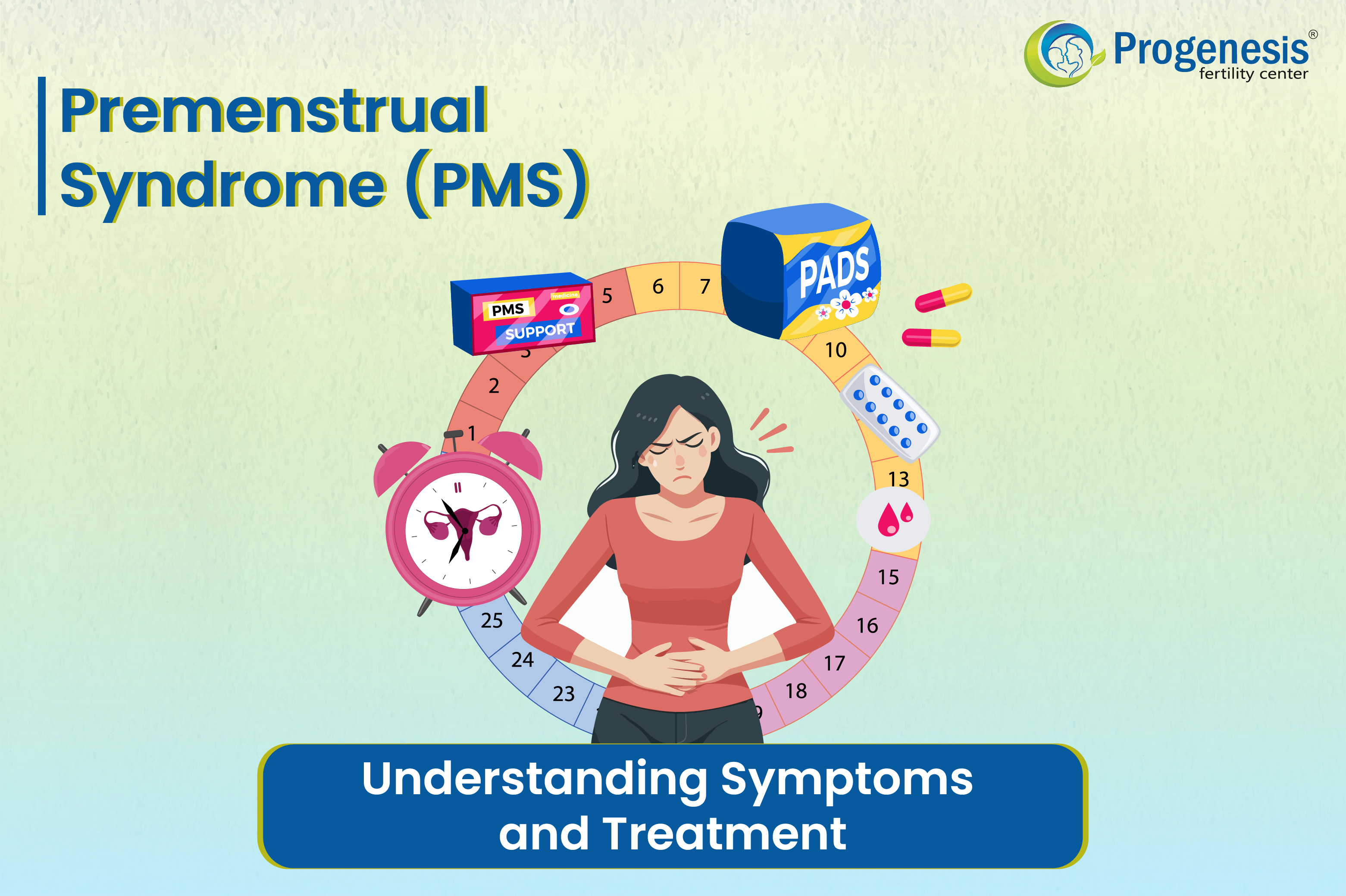
Premenstrual Syndrome (PMS): Symptoms, Causes and Ways to Manage It
Premenstrual syndrome (PMS) can cause mood swings, bloating, tiredness, food cravings, headaches, and breast tenderness before a period. Learn about common PMS symptoms, practical management tips, and when to seek medical advice.

Period Pain: Causes, Relief Tips and When to See a Doctor
Period pain is common, but severe menstrual cramps should not be ignored. Learn about common causes of period pain, practical ways to ease discomfort, and warning signs that may require medical attention.