

Can Poor Sleep Affect Your Menstrual Cycle? What Women Should Know

Sleep plays an important role in overall health, energy, mood, and daily functioning. For people who menstruate, changes in sleep quality may also occur at different stages of the menstrual cycle. Understanding these patterns can help you pay closer attention to your well-being throughout the month.
How Are Sleep and the Menstrual Cycle Connected?
The menstrual cycle involves changes in reproductive hormones, including estrogen and progesterone. These hormonal changes may influence body temperature, mood, and sleep for some people. Some notice that they sleep differently in the days leading up to their period, while others experience little change.
The relationship can work in more than one direction. Sleep difficulties and stress may affect overall well-being, while menstrual symptoms such as cramps, discomfort, or mood changes can make it harder to sleep.
What Does Recent Research Suggest?
Research published in 2026 by researchers affiliated with Stanford University examined menstrual-cycle patterns alongside wearable-device measurements, including sleep and physiological signals. The study explored relationships between cycle characteristics and body measurements collected over time.
These findings contribute to growing research into menstrual health and wearable technology. However, an association between sleep and cycle patterns does not prove that poor sleep directly causes menstrual irregularities. More research is needed to understand these relationships and how they apply to different populations.
Signs Your Sleep Routine May Need Attention
You may benefit from reviewing your sleep habits if you regularly experience:
- Difficulty falling asleep or staying asleep
- Feeling unusually tired during the day
- Changes in mood or concentration after poor sleep
- Sleep disruption around the days before your period
- Difficulty maintaining a consistent sleep schedule
These experiences can have many causes and do not necessarily indicate a menstrual health problem.
Simple Habits That May Support Better Sleep
Small changes to your daily routine may help improve sleep quality:
- Keep a regular schedule: Try to go to bed and wake up at consistent times.
- Create a relaxing bedtime routine: Reading, gentle stretching, or breathing exercises may help you unwind.
- Reduce late-day caffeine: Coffee, tea, and other caffeinated drinks can affect sleep, especially when consumed later in the day.
- Make your bedroom comfortable: A quiet, dark, and comfortably cool environment may support restful sleep.
- Stay physically active: Regular activity can support general health and sleep, although intense exercise close to bedtime may not suit everyone.
How Period Tracking Can Help You Notice Patterns
Recording sleep quality alongside period dates and menstrual symptoms may help you identify recurring patterns over several cycles. You could note bedtime, waking time, energy levels, mood, cramps, and the days when your period begins.
A period tracker such as TrackPeriods can help organize menstrual dates and symptoms. If you also use a sleep tracker, you can review the information together, where available, without assuming that one measurement explains another.
When Should You Seek Medical Advice?
Speak with a healthcare professional if sleep problems persist, affect your daily life, or occur alongside significant changes in your menstrual cycle. Seek medical advice for missed periods, repeated cycle changes, unusually heavy bleeding, or other symptoms that concern you.
Tracking information can help you describe what you have experienced, but it cannot diagnose the cause of sleep problems or menstrual changes.
Final Thoughts
Sleep and menstrual health may be connected in complex ways, and individual experiences differ. Building a consistent sleep routine and tracking your cycle may help you better understand your own patterns over time.
The goal is not to assume that every poor night's sleep will affect your period, but to use reliable information and personal observations to support better-informed health decisions.
Medical Disclaimer: This article is for general informational purposes only and is not a substitute for professional medical advice, diagnosis, or treatment. Consult a qualified healthcare professional if you have persistent sleep difficulties or concerns about your menstrual cycle.
Recent Updates
View all
Endometriosis Diagnosis in 2026: Could New Saliva Tests Help Detect the Condition Earlier?
New developments in endometriosis testing are creating interest in earlier diagnosis of this often-overlooked condition. In September 2026, updated draft guidance from the UK's NICE recommended a saliva-based test in primary care when endometriosis is suspected. Learn what this development means, how endometriosis affects reproductive health, and why medical evaluation remains important.
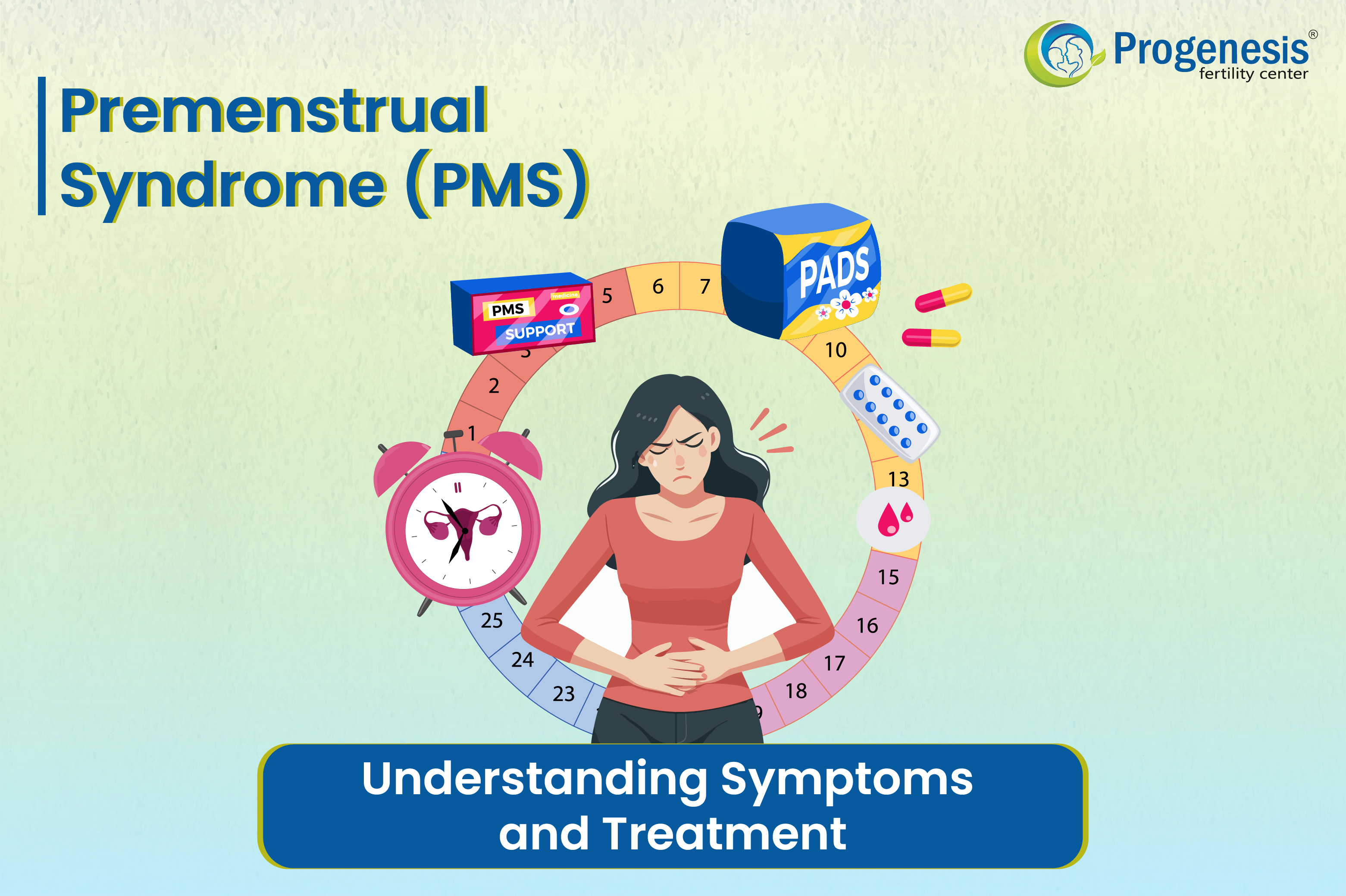
Premenstrual Syndrome (PMS): Symptoms, Causes and Ways to Manage It
Premenstrual syndrome (PMS) can cause mood swings, bloating, tiredness, food cravings, headaches, and breast tenderness before a period. Learn about common PMS symptoms, practical management tips, and when to seek medical advice.

Period Pain: Causes, Relief Tips and When to See a Doctor
Period pain is common, but severe menstrual cramps should not be ignored. Learn about common causes of period pain, practical ways to ease discomfort, and warning signs that may require medical attention.